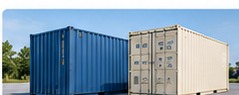
For general tools and robust goods, start by comparing common-size dry containers with a written weather-protection guarantee. Choose the size around access and layout, then address moisture, security and any special requirements of the contents.
Classify the contents first
A container that works for garden equipment may not suit documents, textiles, electronics or temperature-sensitive products. Write down how sensitive the contents are to moisture and heat, how often they are retrieved and what must remain accessible.
Avoid using a dry steel shell as a substitute for a specified storage environment. Where goods have storage instructions, start with those requirements. If temperature or humidity must be controlled, compare a suitable system rather than assuming ordinary vents are enough.
| Storage pattern | Planning priority |
|---|---|
| Frequently used tools | Accessible shelves and a clear aisle |
| Seasonal equipment | Door and ramp clearance |
| Business inventory | Labeling, retrieval and stock rotation |
| Sensitive documents or electronics | Defined moisture and temperature needs |
| Dense machinery | Loading, floor and foundation assessment |
Plan retrieval before maximum packing
Place frequently used items close to the doors. Create labeled zones, and keep the route to the back clear if you will need it. A slightly less densely packed container can be more useful than one requiring a complete unload to find a small item.
Measure shelves with stored goods on them, not just empty frames. Include protruding handles, boxes and space to turn. If a ramp or pallet jack is involved, test the loading path on paper with actual dimensions.
Pay for condition that serves the job
A used unit can be a practical starting point where appearance has little importance. Compare one-trip stock when presentation or lower initial wear has value. For either, get a clear description of doors, flooring, seals and weather protection.
Unusual smells or evidence of contamination deserve investigation before storing belongings. If the intended contents are sensitive, ask about the floor and known history; a normal exterior appearance does not establish suitability.
Plan for a changing storage environment
Metal walls and roofs respond to outdoor temperature changes. Moist air and damp contents can create condensation even where no rain enters. Keep wet items out when possible and use a moisture-management approach matched to the climate and stored goods.
Consider how air can move around contents, how goods are kept away from potentially damp surfaces, and how the environment will be checked. More ventilation is not always beneficial when outside air is humid; sensitive storage needs a considered plan.
Treat security as layers
Ask what locking arrangement the container includes and which compatible lock the supplier recommends. Consider the wider site: access control, visibility, lighting and the value of goods left inside. A strong-looking door is only one part of protecting the contents.
Avoid making unapproved holes or attachments in a rented container. For fixed shelving, electrical installations or other alterations, establish permission and a suitable installation method before work starts.
A useful starting specification
For ordinary on-site storage, request quotes for the size that fits your measured layout, a dry container with a clear condition guarantee, and delivery to an approved prepared site. Include a compatible lock and a plan for organizing and managing moisture.
Move to high cube or alternative doors only where they solve a specific constraint. The best storage container is the one that makes the contents accessible and appropriately protected at a total cost you can justify.
Common questions
Is used or one-trip better for storage?
Either may work. Compare condition, contents, appearance needs and total cost rather than selecting by age alone.
Can I store wet garden equipment inside?
Wet items add moisture. Dry them where practical and plan ventilation or other moisture management for the storage conditions.
Sources & approach
Technical references and supplier guidance used for this guide. Recommendations and worked examples are EzyTrader’s editorial analysis; supplier-specific requirements still need confirmation.
- Hapag-Lloyd: 20ft standard fleet specifications
- Hapag-Lloyd: 40ft standard fleet specifications
- GDV Container Handbook: preventing moisture damage
Images are illustrative, not available inventory. Read our editorial approach.