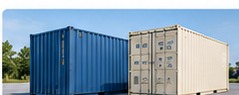
A high cube adds one foot of exterior height to a container of the same nominal length and width. Choose it when your loading, shelving or planned fit-out needs the headroom; choose standard when extra height brings no useful benefit.
What actually changes
Comparing 40ft formats makes the difference clear: both have the same nominal ground footprint, while the high cube has a taller shell and doorway. It will not solve a width constraint or provide a second row of floor-level equipment.
| 40ft format | Standard | High cube |
|---|---|---|
| External height | 8ft 6in | 9ft 6in |
| Nominal footprint | 40ft × 8ft | 40ft × 8ft |
| Example internal height | About 2.40m | About 2.70m |
| Best reason to choose | Adequate height at the right total price | Useful extra vertical clearance |
Allow for the finished interior
If you intend to add a lining, ceiling or raised floor, plan those dimensions before ordering. A comfortable empty space can become restrictive after fitting out. The high cube may preserve more headroom, but the finished design still needs exact measurements.
For shelving, work out whether the additional height creates another usable shelf level. If stock is heavy or accessed by hand, very high shelving may be inconvenient. More volume is valuable only if the goods can be stored and retrieved appropriately.
Check the doorway, then the approach
For a tall machine, get the measured door clearance and compare it with the machine in its actual loading configuration. Include any ramp, wheels, mast or packaging. A load can clear the doorway while level but foul it when tilted during entry.
Ask the supplier how the higher unit changes transport and unloading requirements. Overhead clearance must suit the truck and the unloading movement, not just the container's standing height. Send the carrier information about wires, trees, building overhangs and the approach.
Compare the premium against a specific benefit
Get delivered quotes for both formats in the same condition. The price difference is a local inventory question, so avoid deciding from a national price list or an old anecdote.
If the extra height enables the equipment you actually need, the premium may be easy to justify. If it provides unused air above short boxes, spend the difference on a better condition, site preparation or storage fittings. Include any additional fit-out material in the comparison.
A simple decision test
Choose standard when the largest item, loading path and planned interior all fit comfortably. Choose high cube when you can identify a specific clearance or usable storage benefit. If you are still unsure, ask for both specifications and sketch the finished layout before paying.
- Measure tall items in their loading position.
- Deduct the entire proposed floor and ceiling build-up.
- Confirm whether an extra shelf level is practical.
- Compare delivered totals and placement requirements.
- Get actual dimensions if the fit is close.
Common questions
Does a high cube have a wider door?
The standard-width examples have similar door width. The main advantage is additional height.
Will a high cube stay cooler?
Extra air volume does not establish temperature control. Shade, weather, ventilation, insulation and the contents determine the storage environment.
Sources & approach
Technical references and supplier guidance used for this guide. Recommendations and worked examples are EzyTrader’s editorial analysis; supplier-specific requirements still need confirmation.
Images are illustrative, not available inventory. Read our editorial approach.